.png)
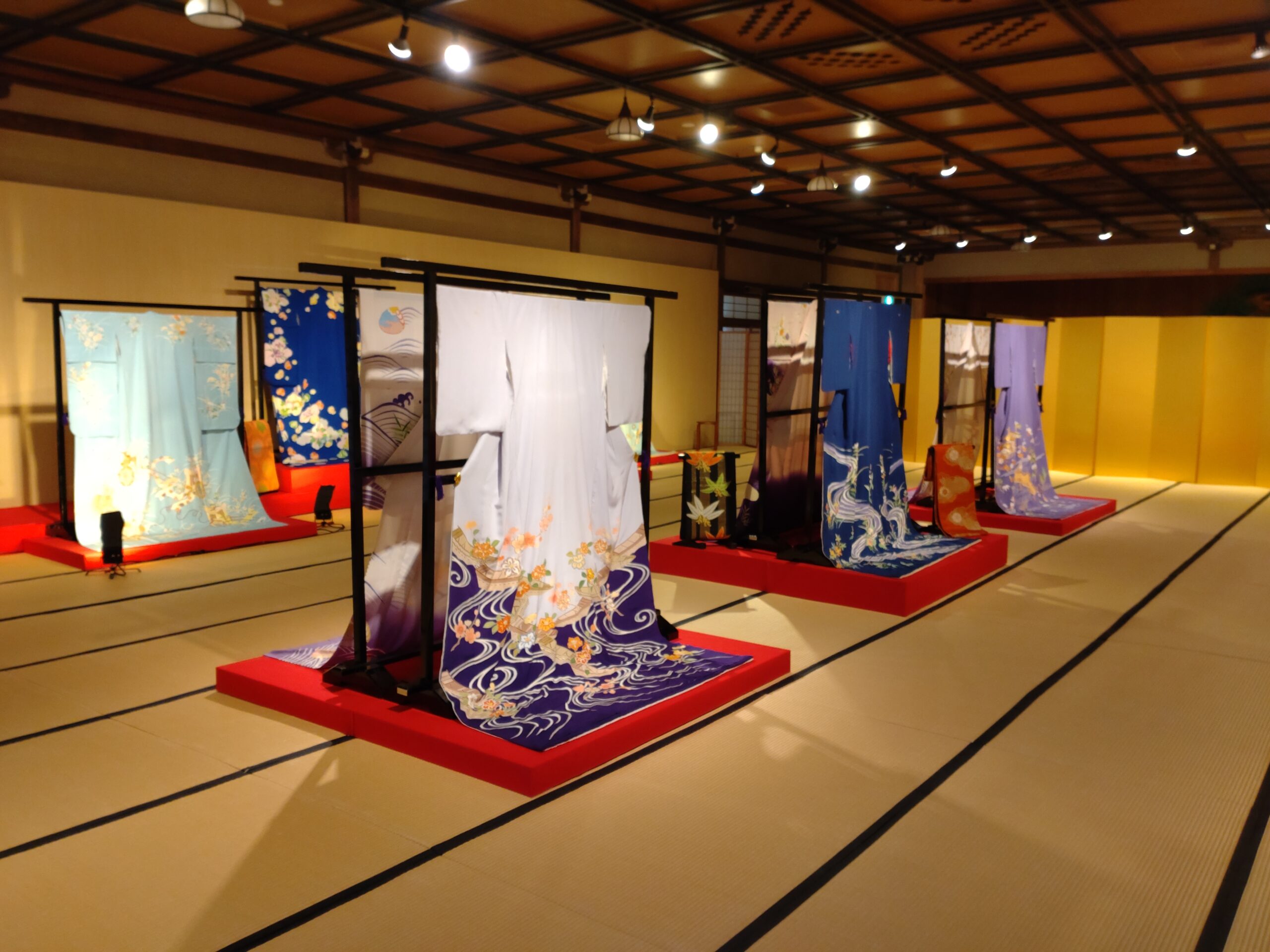
When people imagine Kyoto, they often picture elegant wooden townhouses, quiet stone streets, and the graceful figure of a woman in a beautifully patterned kimono disappearing around a corner.
That image is Gion.
As Kyoto’s most iconic historic district, Gion has kept the spirit of old Japan alive for centuries. It is more than a place to visit — it is a neighborhood where tradition is still practiced every day. Here, geiko (Kyoto’s word for geisha) and maiko continue to dedicate years of their lives to mastering dance, music, tea ceremony, and the art of gracious hospitality.
Whether this is your first time in Kyoto or your fifth, Gion offers something that rarely changes with time: a sense of stepping quietly into another era, while remaining very much in the present.
Wander Along Hanamikoji Street
A walk through Gion begins, almost naturally, on Hanamikoji Street.
Traditional wooden machiya townhouses line both sides of the road. Many still house exclusive teahouses and long-established Kyoto restaurants, some of which have welcomed guests for generations. By day, the street is calm and dignified. As evening falls and the lanterns are lit one by one, it becomes one of the most atmospheric walks in the city.
If you are fortunate, you may catch a brief glimpse of a maiko or geiko on her way to an evening engagement. These moments last only seconds, yet many visitors remember them for years. We ask that you observe from a respectful distance, and refrain from following or photographing them without permission — a small courtesy that helps preserve what makes these encounters so meaningful.
Discover the Quiet Beauty of Gion Shirakawa
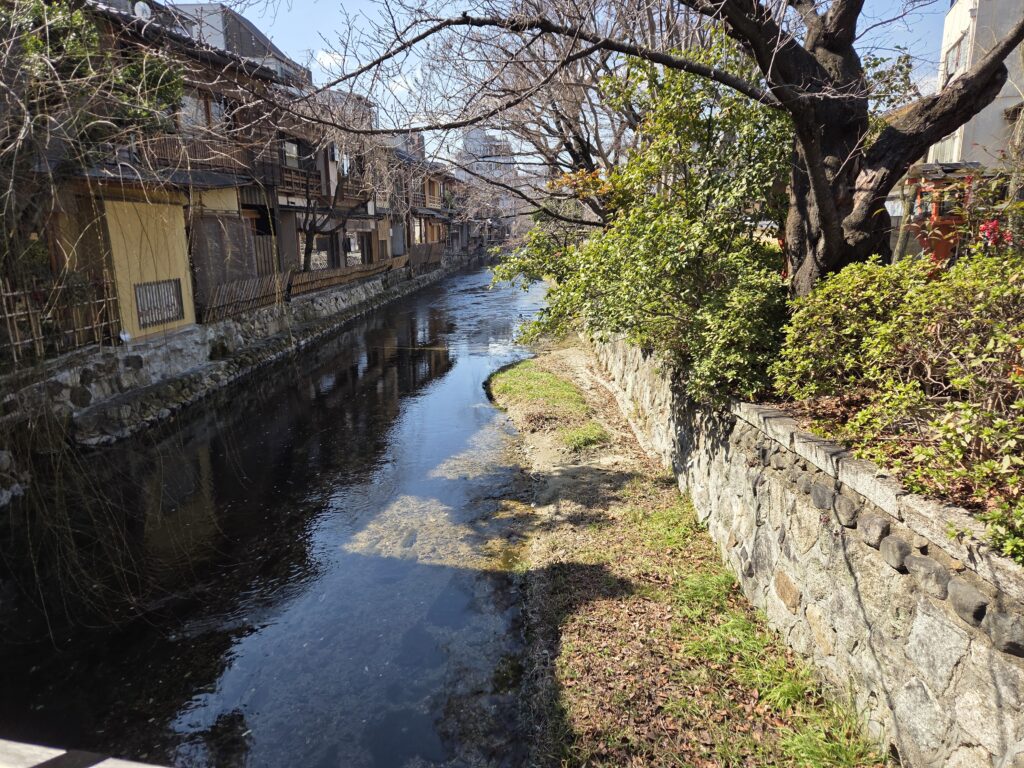
Just a short walk away lies Gion Shirakawa, one of Kyoto’s most photographed — and most peaceful — corners.
The narrow Shirakawa Canal moves gently beneath old stone bridges, while willow trees lean over the water and preserved wooden buildings frame the scene on either side. In spring, cherry blossoms drift onto the surface of the canal. In autumn, maple leaves turn the water’s edge into deep shades of red and gold.
Even on the busiest days, this small corner of Gion seems to slow time down, inviting visitors to simply stand still for a moment and take it in.
Experience a Living Cultural District
Unlike many historic districts around the world, Gion is not a museum piece frozen in the past.
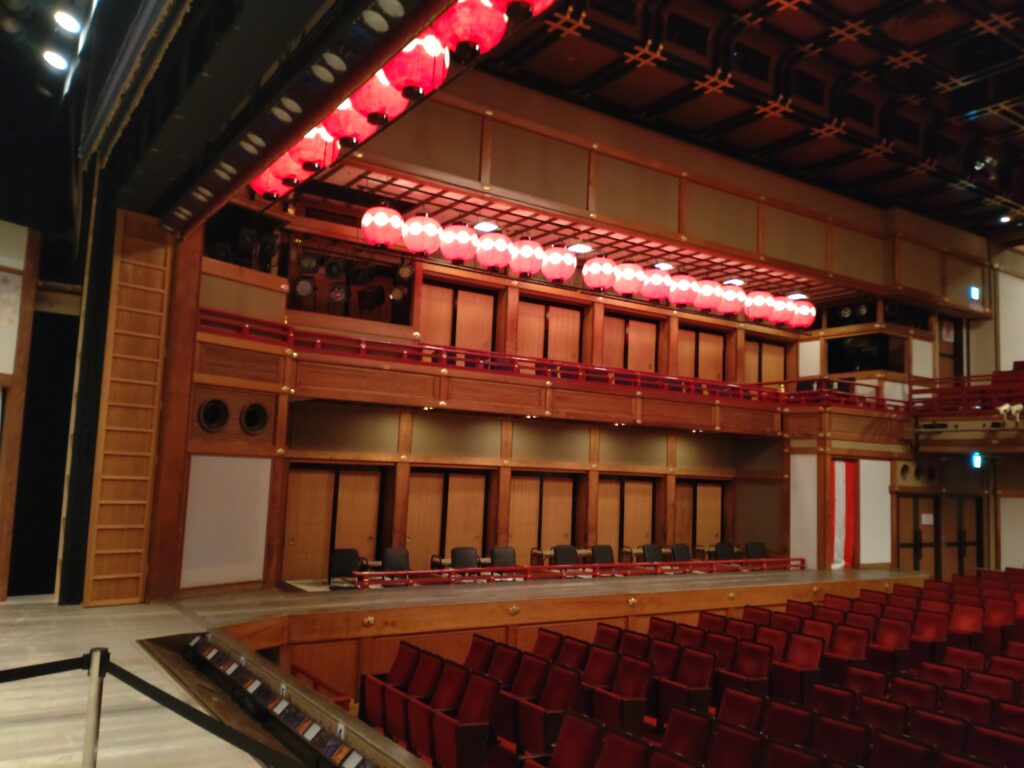
People still live and work here. Behind its traditional wooden facades are real teahouses, family-run businesses, restaurants, shrines, and schools where Kyoto’s performing arts are quietly passed from one generation to the next.
This living heritage is what sets Gion apart. Rather than simply preserving history, the district continues to shape it, one day at a time.
Visit Yasaka Shrine
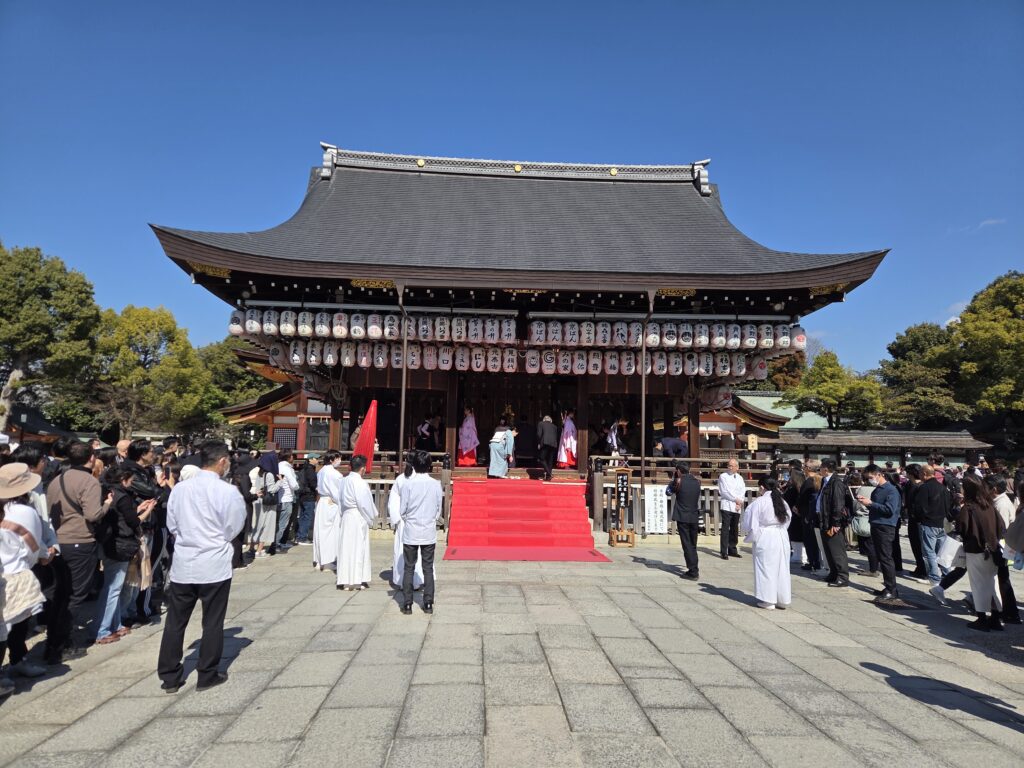
At the eastern edge of Gion stands Yasaka Shrine, one of Kyoto’s oldest and most cherished shrines. Its gates never close, welcoming worshippers and visitors alike at any hour, day or night.
The shrine is best known as the spiritual home of the Gion Festival, one of Japan’s great festivals with a history stretching back more than a thousand years. Yet even outside festival season, its quiet grounds offer a gentle contrast to the busier streets nearby — a good place to pause and reflect before continuing your walk.
Beyond the Famous Streets
Many visitors spend less than an hour in Gion, moving quickly from one well-known spot to the next.
But the true character of the district reveals itself once you step away from the busiest streets. Hidden lanes, quiet temples, small gardens, and family-run shops reward those who are willing to slow down.
Rather than simply visiting the landmarks, Gion invites you to experience Kyoto through its atmosphere — the sound of wooden sandals on stone, the craftsmanship in a shopfront, the everyday beauty that is easy to miss if you are moving too fast.
Travel Respectfully
Gion is a living community, not simply a tourist attraction.
Many of its narrow lanes are private property, home to residents and businesses going about their daily lives. In recent years, some of these lanes have been closed to visitors, a response to the pressures of overtourism and, at times, inconsiderate behavior. Public streets remain open, and visitors who walk with respect are always welcome.
By keeping your voice low, respecting people’s privacy, and taking care with local customs, you help preserve the very qualities that make Gion so remarkable — for the community that calls it home, and for the travelers who will visit after you.
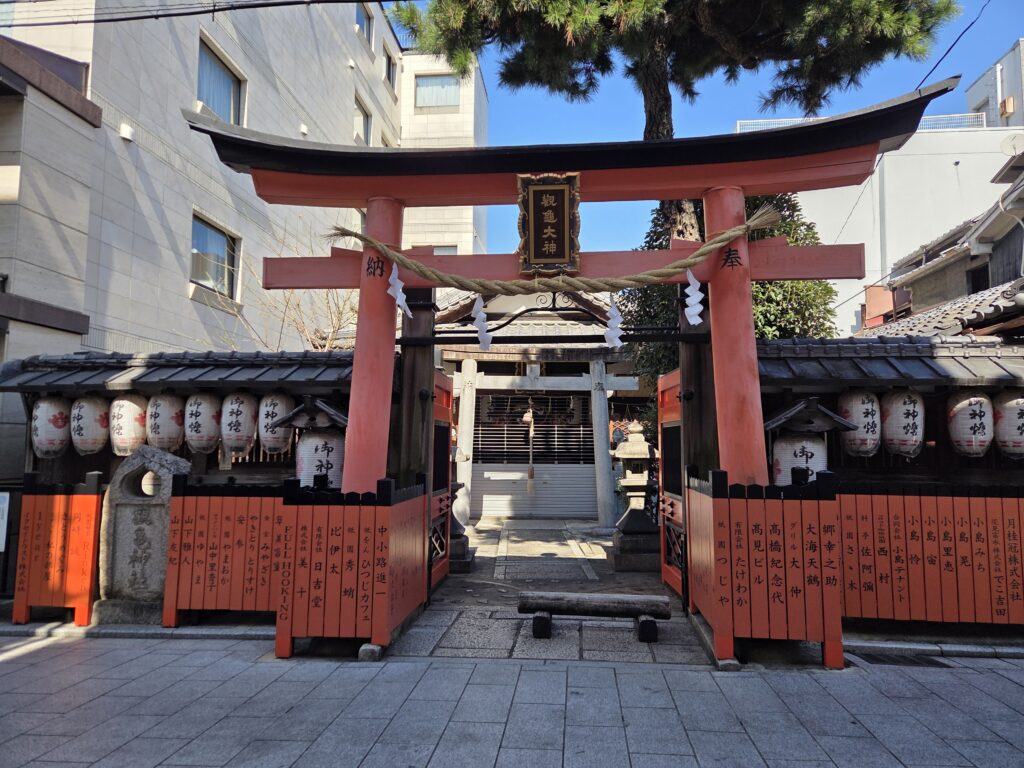
Where to Take a Break in Gion
Fugestu(冨月)
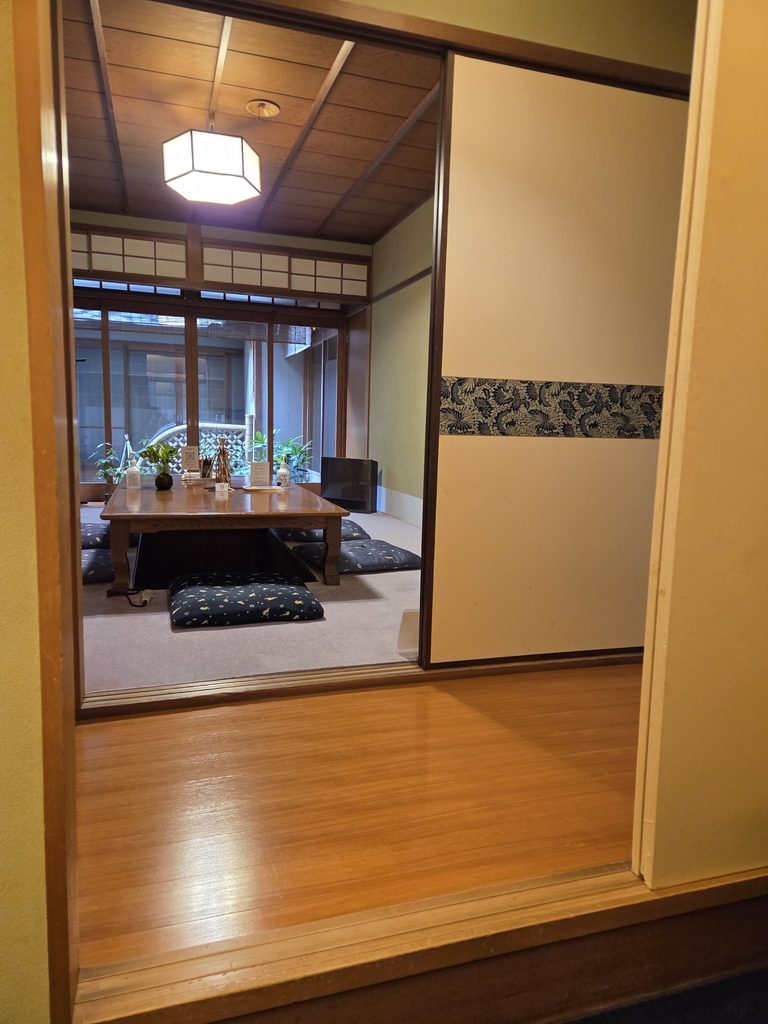
Fugestu is a former ochaya, or traditional teahouse, that has been passed down through four generations.
Today, it is known as a café where both active and retired geiko often stop by as part of their daily lives.
When I visited, I saw the owner chatting casually with some regular customers.
Gion is often associated with elegance, tradition, and the glamorous world of geiko and maiko.
But sitting there and watching these everyday conversations made me realize that
Gion is also a neighborhood where people simply go about their daily lives.
For a moment, it felt a little more familiar and closer to me.
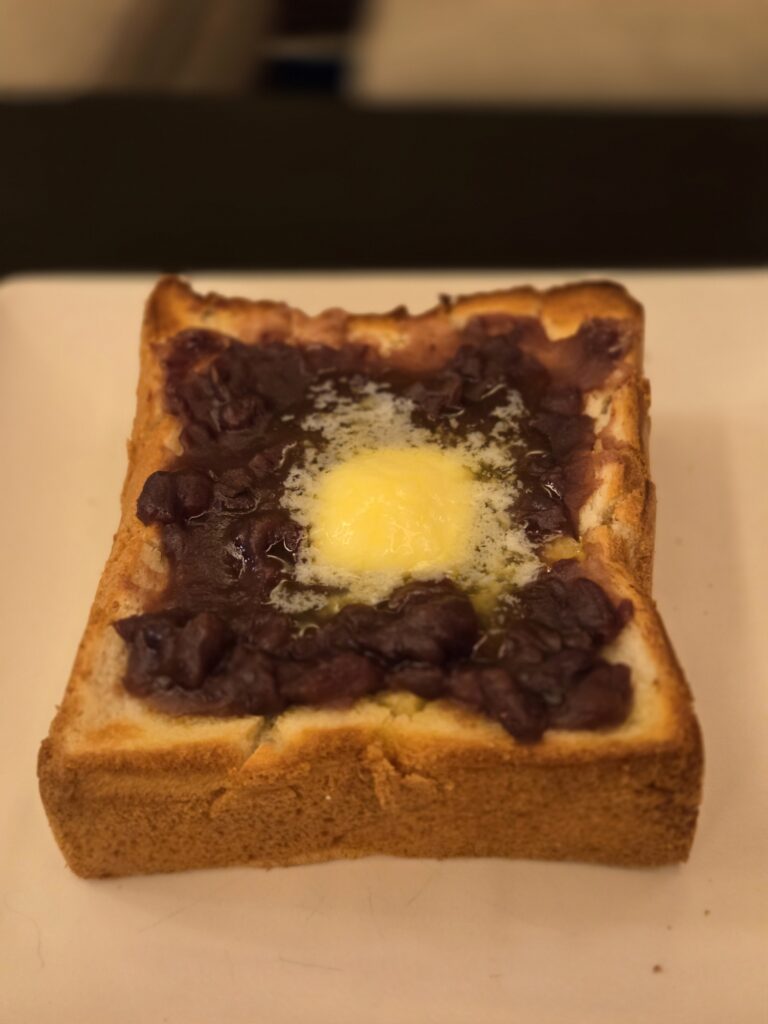
I was getting a little hungry, so I ordered their toast topped with anko,
sweet red bean paste, and butter.
The gentle sweetness of the anko paired beautifully with the rich butter.
It was simple, comforting, and somehow felt like a taste of home.
agnès b. CAFÉ Gion
We stopped at this café during one of my walking tours.
As soon as we stepped inside, we were welcomed by a calm, sophisticated space. The tables were generously spaced, and the café also has a lovely courtyard, making it an inviting place to slow down and relax.
That day, I was guiding a family traveling with four children. Two members of the family ordered kakigori, Japanese shaved ice.
They told me, “We’d heard that Japanese kakigori is really delicious, and we’ve always wanted to try it. It’s a dream come true!”
Their words stayed with me.
We had already talked about all sorts of things while walking through Gion, but even after we sat down at the café, the conversation just kept flowing.
For me, this café has become a place that brings back memories of that wonderful time we shared together.
A Different Way to Experience Gion
Every traveler experiences Gion in their own way.
Some come with a camera, drawn to its historic streets. Others are curious about the world of geiko and maiko, eager to understand Kyoto’s hidden temples, or simply hoping for a quiet evening walk away from the crowds.
At Kiyora Travel, each private journey is designed around what genuinely interests you, rather than a fixed itinerary. Whether your curiosity lies in traditional arts, architecture, history, or simply experiencing Kyoto at an unhurried pace, Gion holds far more stories than a single afternoon can reveal.
Often, it is not the famous landmarks that stay with people longest, but the smaller moments: the quiet sound of wooden sandals on stone, the soft glow of lanterns as evening arrives, and the sense that something genuine and unhurried still exists at the heart of this city.
Plan Your Private Journey
Would you like to experience Gion beyond the usual sightseeing route?
At Kiyora Travel, every private journey is thoughtfully shaped around your interests, your pace, and the way you prefer to travel. If you would like to explore the history, traditions, and quieter corners of Kyoto’s most iconic district with a local guide, we would be glad to help you plan a visit that feels entirely your own.