.png)
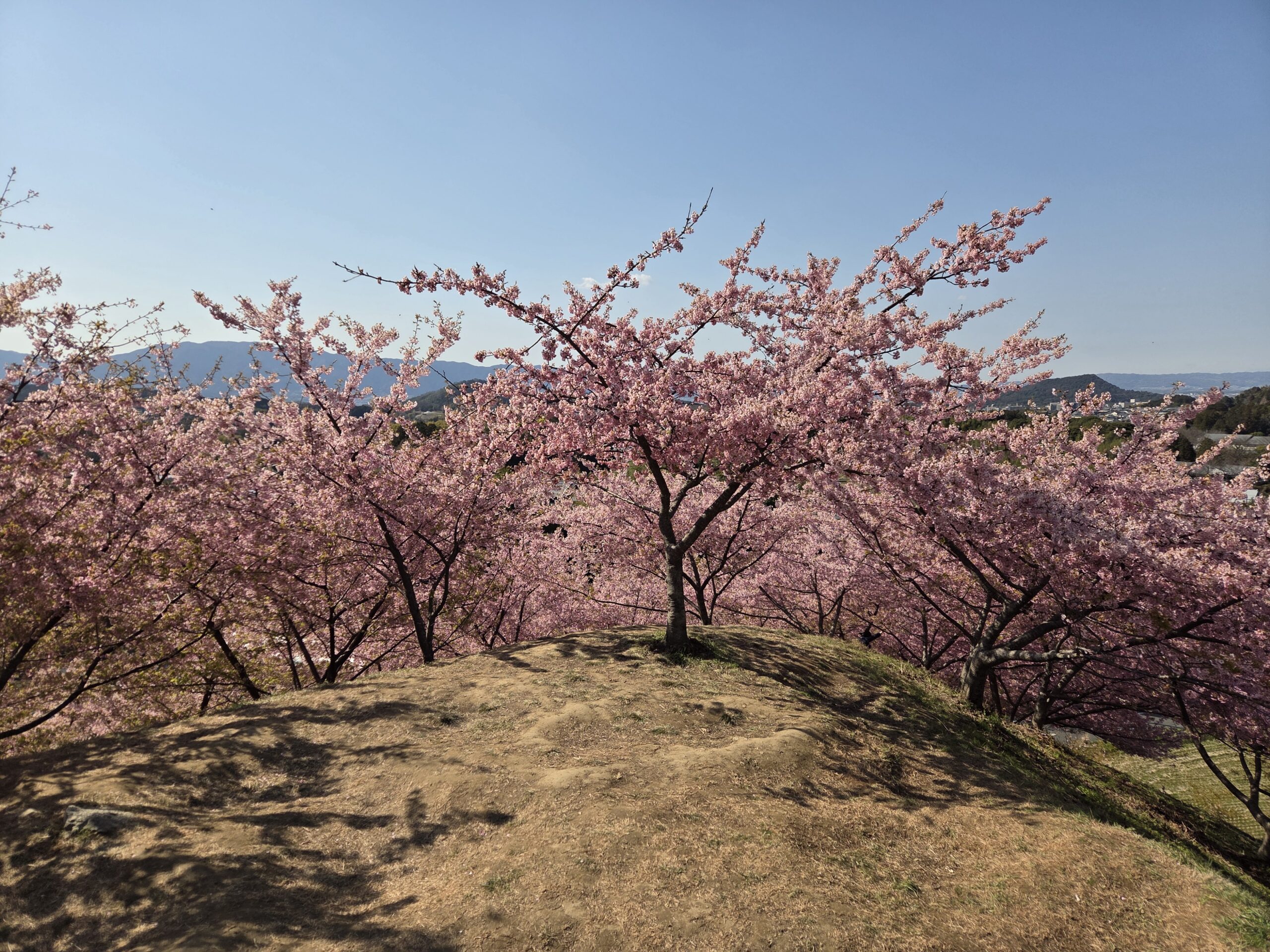
The ancient Asuka Region is one of the few places in Japan where visitors can still experience the country’s original landscape and timeless rural atmosphere.
Centered around Asuka Village and extending across Kashihara City, Sakurai City, and Takatori Town in southern Nara Prefecture, the region preserves the cultural and spiritual roots of Japan through its historic temples, ancient shrines, peaceful countryside scenery, and traditions that continue to this day.
Visitors can enjoy walking and cycling through seasonal landscapes filled with rice fields and flowers, as well as hands-on cultural experiences such as strawberry picking, rice planting, and rice harvesting. The Asuka Region offers a unique opportunity to experience the history, nature, and everyday life of Japan in an authentic and meaningful way.
Kashihara, the gateway to the Asuka Region, also provides convenient access to Nara City, Osaka, and Kyoto. In addition to cultural exploration, visitors can enjoy shopping, local restaurants, cafés, and bar hopping while staying in the area.
A Living Historic Landscape
In 1966, Asuka was designated a nationally protected historic town under a special preservation law, placing it alongside Kyoto, Nara, and Kamakura among the country’s most carefully safeguarded historic districts. Strict building regulations have kept the surrounding countryside largely unchanged, allowing visitors to walk through a landscape that still closely resembles the Asuka period more than 1,400 years ago.
Among the region’s most remarkable sites is Ishibutai Kofun, an enormous stone burial mound built from massive granite boulders and believed to be the tomb of the powerful statesman Soga no Umako. Nearby, the Takamatsuzuka Tomb revealed vividly painted murals when it was excavated in 1972, offering rare insight into life during the late Asuka period. Asuka-dera, regarded as one of Japan’s earliest Buddhist temples, and the mysterious Masuda no Iwafune, an 800-ton granite monolith whose original purpose remains unknown, add to the sense that the Asuka Region has as many questions as answers waiting to be discovered.
For travelers venturing beyond the well-known destinations of Kyoto and Nara, Asuka offers something increasingly rare in Japan: a working agricultural landscape where history has not been staged or rebuilt, but simply left in place. Rice paddies still surround ancient burial mounds, and many archaeological sites remain open to the fields around them rather than enclosed behind museum walls.
Walking Tours
Asuka Walking Tour
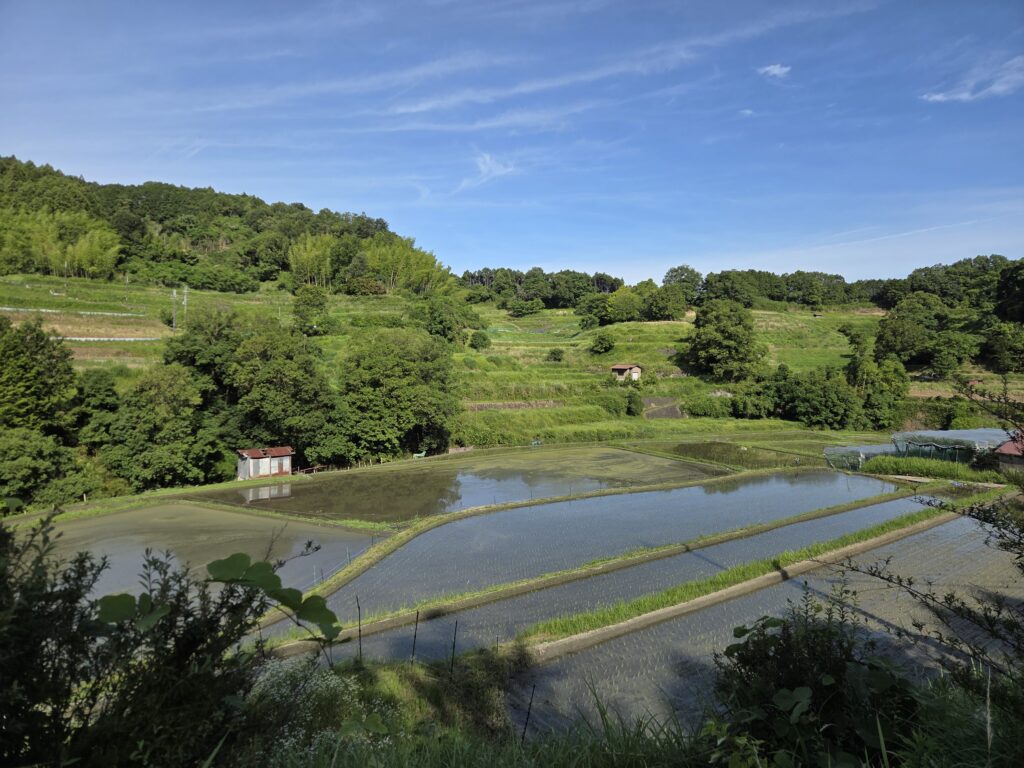
A private walking tour through Asuka, where ancient tombs and historic sites dot the countryside, offering a glimpse into Japan’s ancient history and peaceful rural landscapes.
Imai Town Walking Tour

Explore Imai-cho, a beautifully preserved Edo-period town, visiting traditional merchant houses and a sake brewery while discovering its history and everyday life as a once-thriving commercial center.
Omiwa Shrine Walking Tour

Walk through the sacred grounds of Omiwa Shrine, one of Japan’s oldest Shinto shrines, while discovering its ancient traditions, spiritual connection to Mount Miwa, and the local culture of the historic Miwa area.
Experience
Traditional Vinegar
Brewery Visit
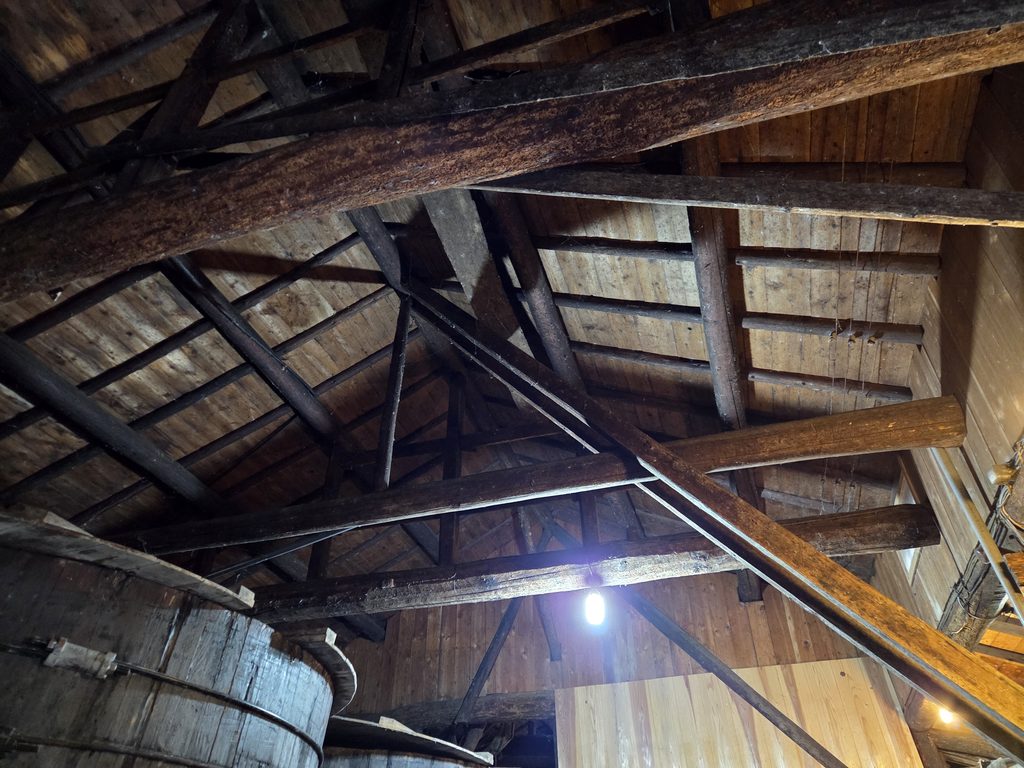
Visit a traditional vinegar brewery where vinegar is aged in large wooden barrels made from Yoshino cedar.
Discover the unique fermentation process and taste vinegar crafted with methods that can be experienced only here.
Sacred Mirror Polishing Experience
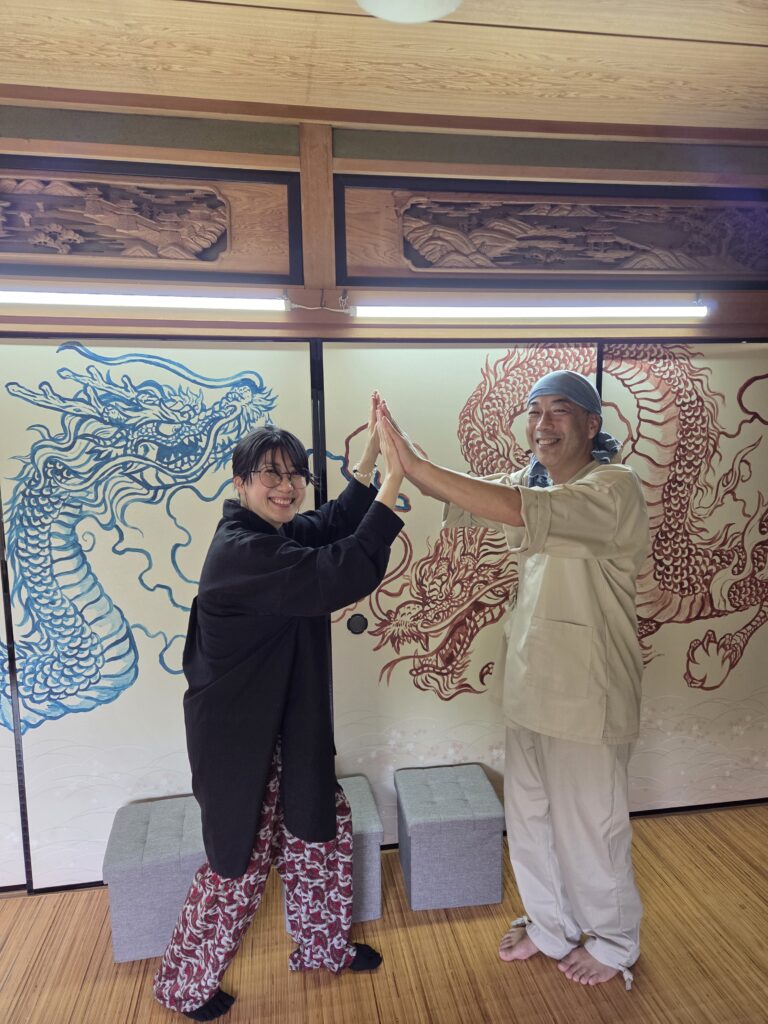
Experience the traditional art of mirror polishing guided by a master craftsman.
Inspired by the sacred mirror, one of Japan’s Three Imperial Regalia, this rare hands-on experience offers a glimpse into ancient craftsmanship.
Hanging Scroll Making Experience

Experience the art of Hyōgushi, the traditional craft of mounting hanging scrolls used in Japanese rooms.
Under the guidance of a master artisan, create your own scroll while learning about this refined cultural tradition.