.png)
Overview
Imai-cho is Japan’s largest Preservation District for Groups of Traditional Buildings, a merchant town that has kept its Edo-period streetscape for more than two centuries.
The town grew up around Shonenji Temple in the sixteenth century and later prospered through trade with nearby Osaka and Sakai. On this walking tour, you’ll pass through narrow lanes lined with wooden townhouses, many of which are still private homes today.
Some of these historic buildings are now cafés, shops, and small museums, so it is easy to imagine what daily life once looked like here, almost like stepping onto the set of a Japanese period drama.
This tour is a private introduction to one of Japan’s best-preserved merchant towns, guided at an unhurried, walkable pace.
Sample Itinerary
Meet your guide and begin your walking tour through the historic town of Imai-cho.
Cross the small bridge that marks the entrance to Imai-cho, where the atmosphere begins to change and the old town’s narrow streets come into view.
Step inside a former sake merchant’s Edo-period residence, a nationally designated Important Cultural Property open to visitors.
Visit Imai-cho’s last operating sake brewery, run by the same family for more than 280 years.
Visit the temple around which Imai-cho first grew, and hear the story of how the town began.
Enjoy lunch at a former merchant house now used as a café or restaurant.
Your guide will accompany you back to the station.
The itinerary may be adjusted according to the season, weather conditions, and crowd levels.
Tour Highlights
Sobu Bridge – Crossing into the Old Town
The moment you cross Sobu Bridge, modern Japan begins to feel a little farther away. This small bridge marks the boundary between the present-day town and Imai-cho’s historic core.
Nearby once stood Sobui, an old well said in local legend to have once provided water to Prince Shotoku himself. The story cannot be confirmed as historical fact, but it has been passed down in the area for generations, and it is a fitting introduction to a town where legend and history sit side by side.

Takagi House – An Edo-Period Sake Merchant’s Residence
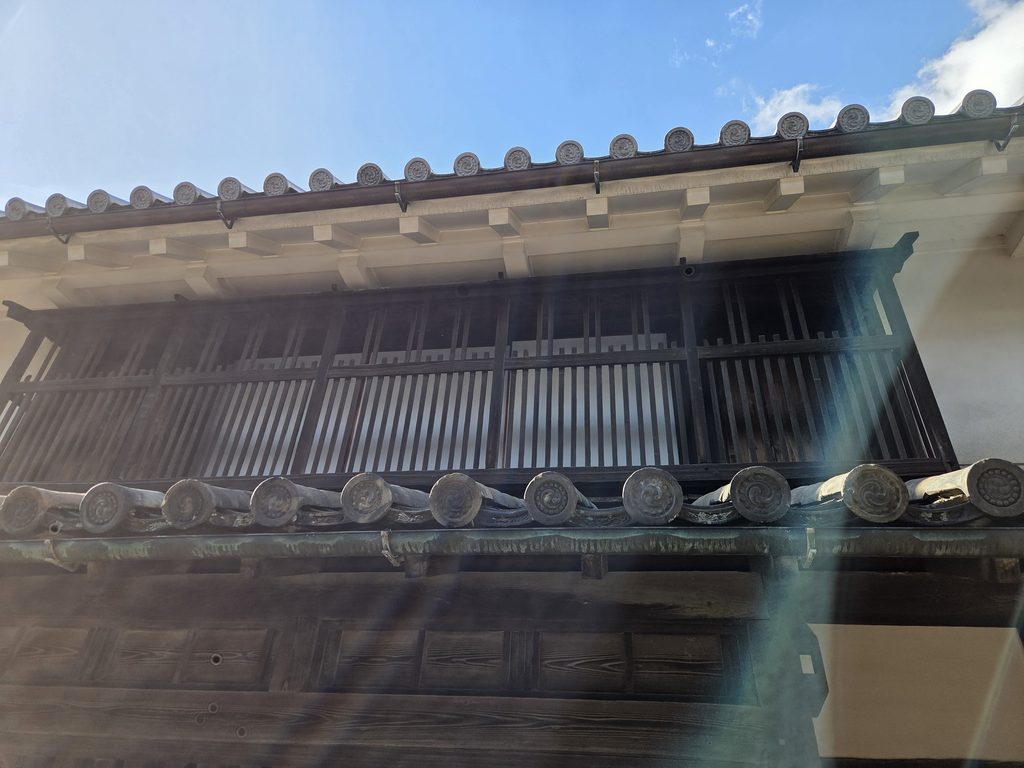
Takagi House was once the home of a sake-brewing merchant family, and it remains one of Imai-cho’s finest examples of a late-Edo-period townhouse. It was designated a national Important Cultural Property in 1972.
Look closely at the building’s two-story structure, its offset gabled roofline, and the finely latticed windows facing the street, all details that once signaled the wealth and taste of the merchant family who lived here.
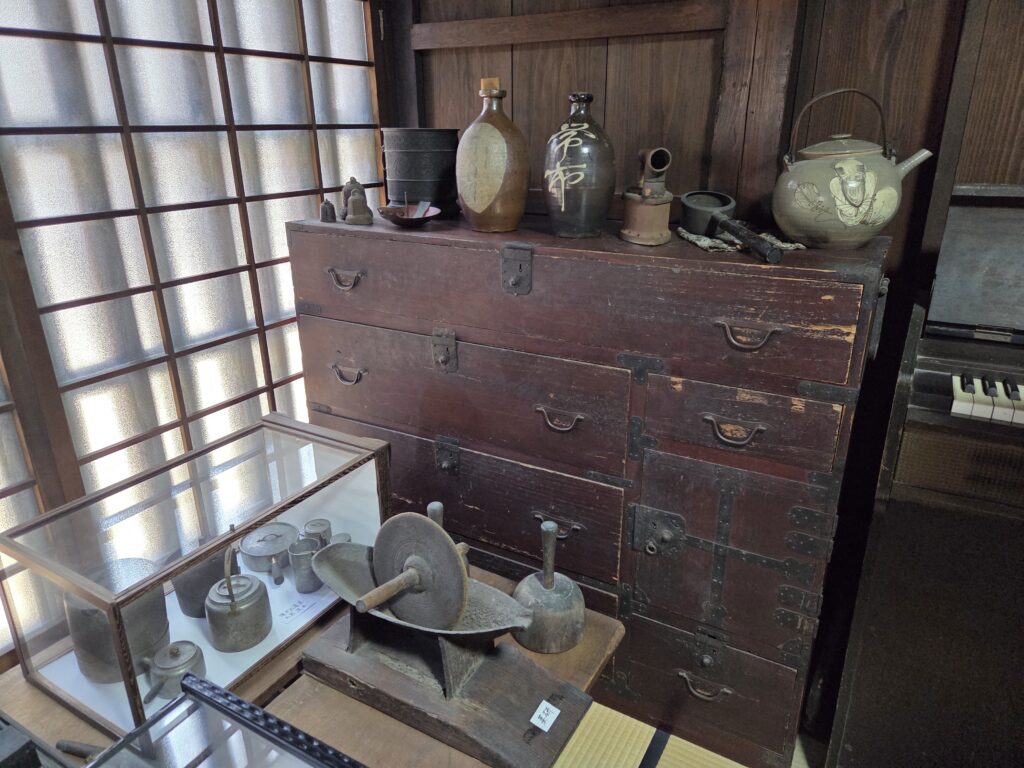
Kawai Sake Brewery – A Living Tradition
Founded in the mid-Edo period, Kawai Sake Brewery is the only sake brewery still operating in Imai-cho today, now run by the sixteenth generation of the same family.
Its main brand, Shusseo, is brewed behind the family’s Edo-period residence, itself a nationally designated Important Cultural Property. Visitors can stop by to taste the sake that has been made here for close to three centuries.
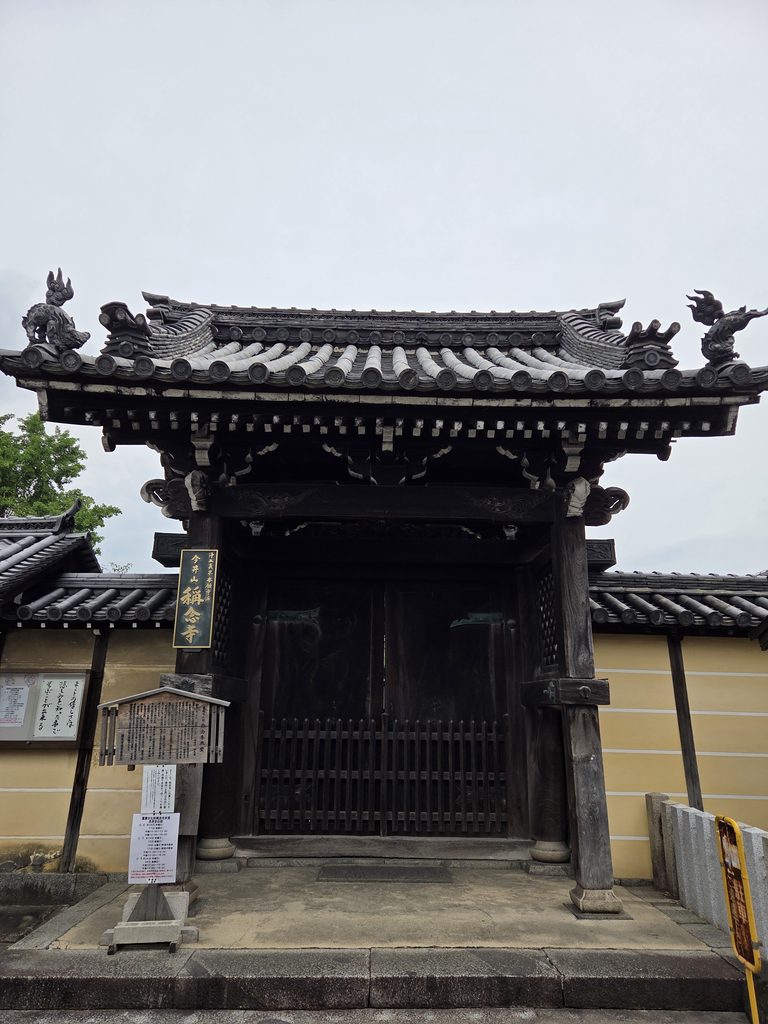
Shonenji Temple – Where Imai-cho’s Story Began
Long before Imai-cho became a merchant town, it began as a religious community gathered around Shonenji Temple in the sixteenth century, protected by moats and earthworks during Japan’s Warring States period.
Over time, this community grew into the prosperous trading town you see today. Shonenji has continued to witness Imai-cho’s history ever since, and Emperor Meiji himself is said to have stayed here in 1877, during the early years of modern Japan.
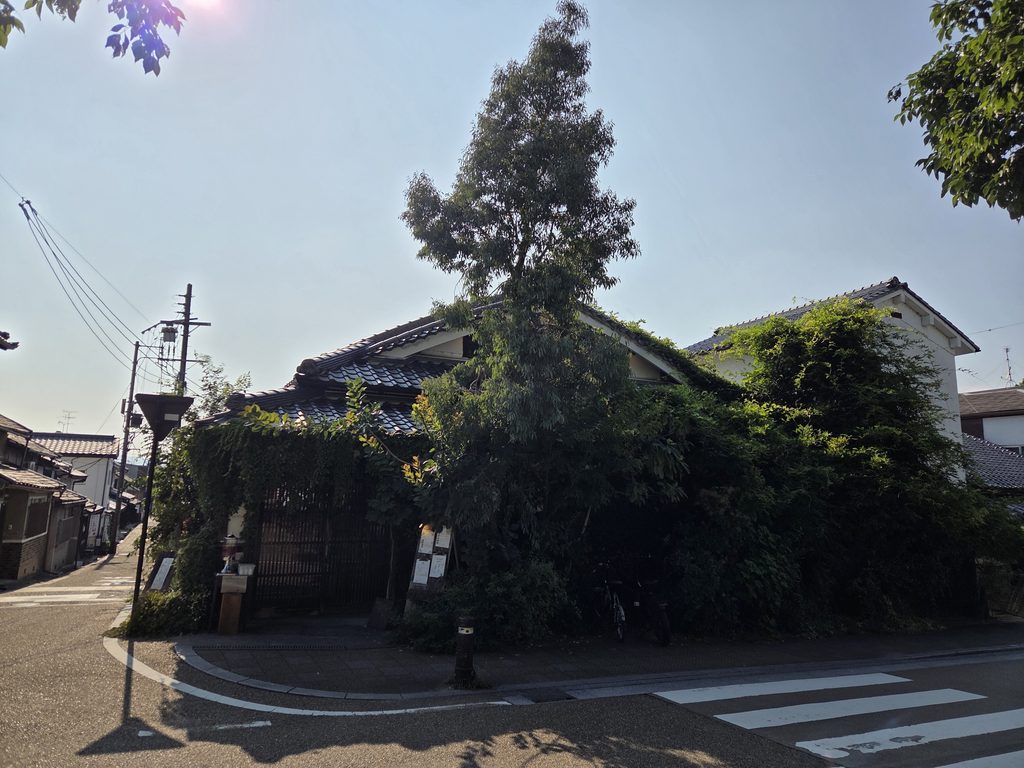
Lunch at a Historic Merchant House
Many of Imai-cho’s old merchant houses have found new life as cafés and restaurants, and lunch on this tour is enjoyed inside one of them.
Sitting beneath the same wooden beams that sheltered merchant families centuries ago is a memorable way to pause and take in the town, a reminder that these buildings were never meant to become museums, only to keep living.
Why Imai-cho?
What makes Imai-cho remarkable is that the entire town has survived, not as a reconstruction, but as a living streetscape. Most historic Japanese houses have long since been modernized, so it is rare today to find an entire neighborhood of two-hundred-year-old wooden townhouses still standing, let alone still lived in.
In Imai-cho, local families continue to live in and care for these houses, preserving both the buildings and the way of life within them. The experience is not only about the streetscape from the outside. Stepping inside one of these homes reveals rooms filled with tea ceremony utensils, storage chests, and even old firearms, no longer in use, making each house feel like a small museum of its own history.
Walk Imai-cho with Kiyora Travel
Imai-cho rewards those who take the time to look closely, from the wooden lattices facing the street to the quiet lanes where history and everyday life still sit side by side. A private guide brings this town’s story to life, offering context that is easy to miss on your own.
Every Kiyora Travel tour is designed around each guest’s own pace and interests, whether that means lingering inside a merchant house, learning about the town’s sake-brewing tradition, or simply walking a little more slowly through its old streets.
If you would like to explore Imai-cho with a private guide, we would be glad to help plan a visit tailored to your interests. Please contact Kiyora Travel to begin planning your journey.