.png)
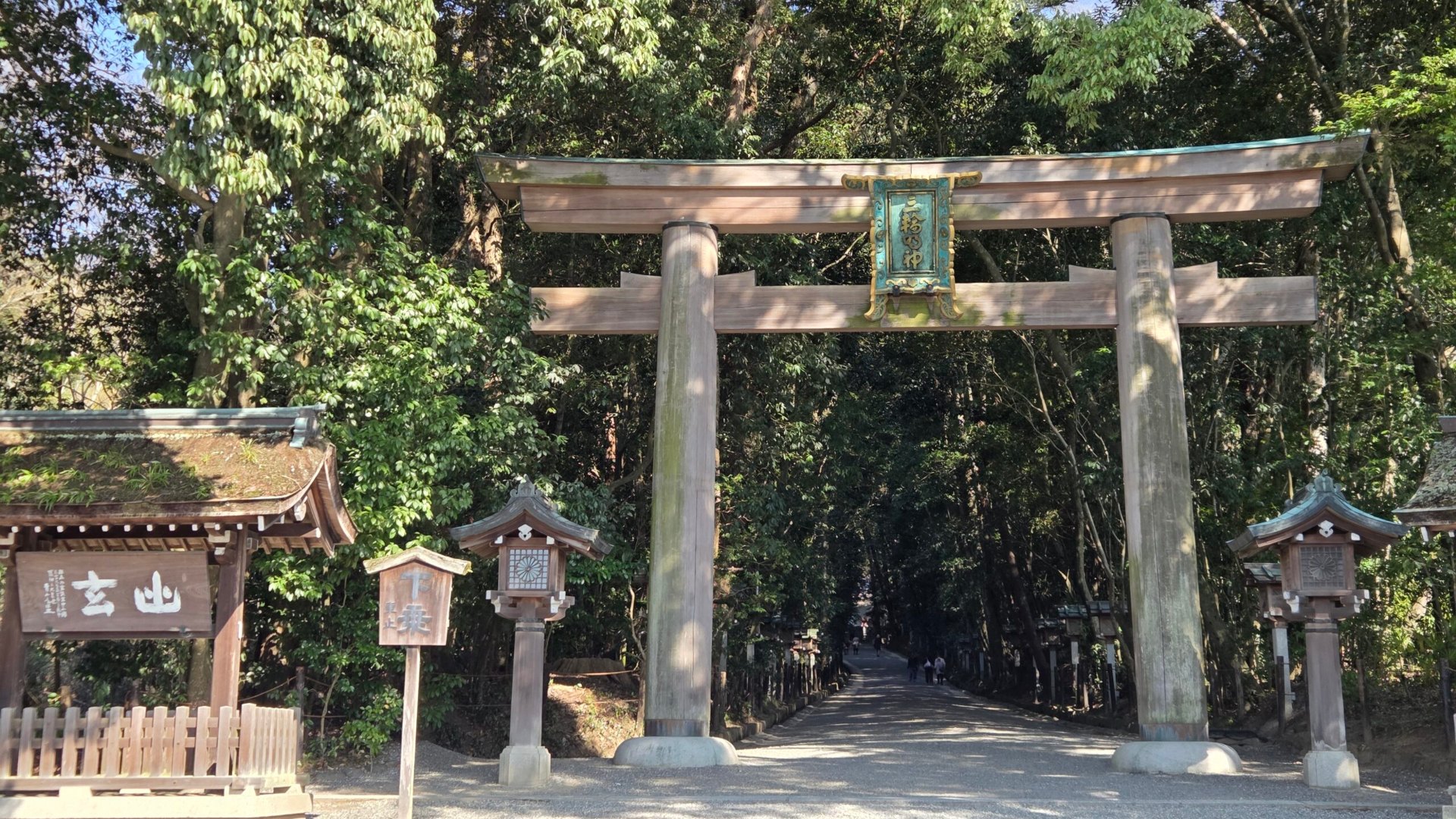
Omiwa Shrine is said to be the oldest shrine in Japan. It stands in the Nara Basin, at the foot of Mt. Miwa.
No one knows exactly when it began. Tradition links it to the reign of Emperor Sujin, a ruler from a time when history and legend are still woven together.
The Myth of Mt. Miwa
Japan’s oldest chronicles, the Kojiki and the Nihon Shoki, tell how the deity Okuninushi was building the nation. One day, a god appeared, shining across the sea. It was Omononushi.
He made a simple request: “Enshrine me on the mountain to the east of Yamato, and I will help you complete your nation.” That mountain was Mt. Miwa.
“Yamato” is the old name for Japan. But at first, it referred only to a small area in the Nara Basin, around the foot of Mt. Miwa. Over time, the name grew to mean the whole country.
So when I stand here, I like to think that this is where the idea of “Japan” first took shape.
Where the Gods Descend
This place is so old that it is full of mystery. The chronicles mix myth and history, and we may never know where one ends and the other begins.
What we do know is that early rulers deeply revered the gods. Important decisions, such as where to build a palace, were often guided by divination.
Inside the shrine grounds, you will find iwakura, sacred rocks where gods were believed to descend from heaven. Long before shrine buildings existed, people worshipped nature itself — stones, trees, and mountains.
Omiwa Shrine still keeps this ancient form. It has no main hall for the deity. The mountain itself is the object of worship.
Climbing Mt. Miwa
After passing through the shrine gate, you reach the prayer hall. Behind it rises Mt. Miwa, quiet and green.
You can climb the mountain, but this is not a hike. It is an act of worship. You register at Sai Shrine, and you are asked not to eat, drink, or take photos on the mountain.
The rules are explained mainly in Japanese, so I recommend going with a guide who can explain their meaning. The mountain may also close on very hot summer days, so please check the official Omiwa Shrine website before you go.
A Sacred Mountain Through the Ages
The Kojiki and Nihon Shoki call this mountain Mimoro-yama, “the mountain where the gods descend.” Later, it was also known as a kannabi, a sacred mountain where a deity dwells.
Much later, around the 11th century, each of Japan’s old provinces came to have its own Ichinomiya, or “first shrine.” Omiwa Shrine is the Ichinomiya of Yamato Province, today’s Nara Prefecture.
These old provinces did not match today’s prefectures. There was no “Kyoto,” “Osaka,” or “Tokyo.” Instead, there were names like Yamashiro, Kawachi, and Musashi.
Omiwa Shrine and the Origins of Sake
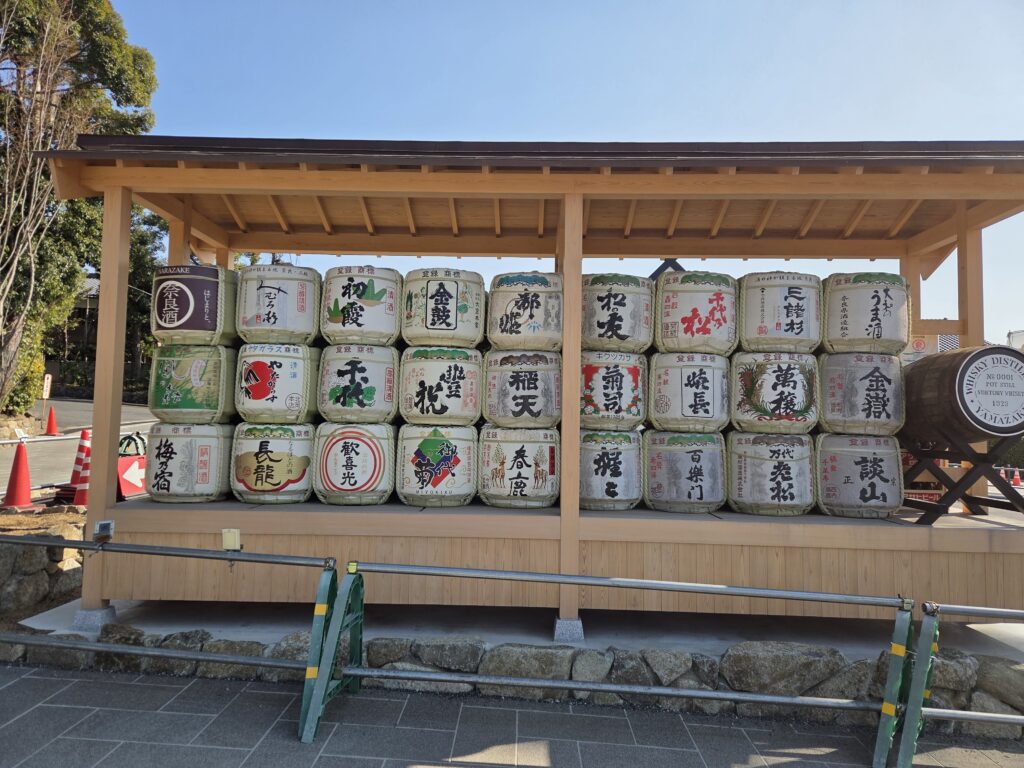
Omiwa Shrine is also famous for sake. According to legend, Emperor Sujin asked a man named Takahashi no Ikuhi to brew sake as an offering to Omononushi. Ikuhi made it in a single night.
Today, Ikuhi is honored as the ancestor of toji, Japan’s master sake brewers.
Look closely at sake breweries and liquor shops across Japan. Many hang a large ball of cedar leaves, called a sugidama, at the entrance. This custom comes from Omiwa Shrine.
When the ball is fresh and green, it means the new sake is ready. As the months pass, it slowly turns brown, just as the sake matures.
Miwa Somen: Noodles Made with Sacred Water
The Miwa area is also known for somen, thin wheat noodles. The land was good for growing wheat, and the pure water from Mt. Miwa made the noodles smooth and delicate.
After a quiet visit to the shrine, a bowl of Miwa somen is one of my favorite ways to end the day.
Visit Omiwa Shrine with Kiyora Travel
If this ancient place speaks to you, I would be glad to guide you here. Each Kiyora Travel journey is shaped around your own interests and pace, so you can take the time to simply be at Mt. Miwa, and feel how old Japan began.