.png)
A Kyoto journey with Kiyora Travel begins in a city where over 1,200 years of history, culture, and tradition continue to shape everyday life.
From iconic temples and peaceful gardens to traditional streets and hidden local neighborhoods, every visit offers a different perspective on Japan’s cultural heritage.
At Kiyora Travel, each private journey is thoughtfully designed around your interests, travel pace, and available time, allowing you to experience Kyoto beyond the typical sightseeing routes.
A Capital for Over a Thousand Years
Kyoto served as Japan’s imperial capital for more than a thousand years, from 794, when Emperor Kanmu established the city as Heian-kyo, until 1869, when the capital finally moved to Tokyo after the Meiji Restoration. Seventeen temples, shrines, and castles spread across Kyoto, Uji, and Otsu are collectively inscribed as a UNESCO World Heritage Site known as the Historic Monuments of Ancient Kyoto, a designation that reflects just how much of the old capital remains standing today.
Among the most recognizable of these historic sites is Fushimi Inari Taisha, founded in 711 and dedicated to Inari, the kami of rice and, later, of business and prosperity. Thousands of vermilion torii gates, donated by individuals and companies since the Edo period, form tunnels along the trails that climb Mount Inari, a walk that takes roughly two hours to complete in full.
Kinkaku-ji, the Golden Pavilion, began as a shogun’s retirement villa in 1397 before becoming a Zen temple after his death. The building seen today is a 1955 reconstruction, rebuilt after the original was destroyed by fire in 1950, and its upper stories are covered in gold leaf that reflects across the surrounding pond.
Kiyomizu-dera, founded in 778, is known for its wide wooden stage, built without a single nail using an interlocking timber method called kakezukuri. The platform stands roughly 13 meters above the wooded hillside below, and the temple belongs to the same UNESCO listing that includes Fushimi Inari and Kinkaku-ji.
Nijo Castle, begun in 1601 for the Tokugawa shogunate and completed under Tokugawa Iemitsu in 1626, is also part of that listing. Its corridors are lined with so-called nightingale floors, which chirp underfoot as wooden clamps shift against the nails supporting them, a sound long associated, whether by design or by folklore, with detecting anyone trying to move through the castle unseen.
For a taste of daily life worth adding to any Kyoto journey, Nishiki Market has served as the city’s food district since fish sales began there in 782, earning it the nickname “Kyoto’s Kitchen.” The narrow, roughly 400-meter arcade is now lined with around 130 shops selling pickles, fresh seafood, knives, and other local specialties, making it a natural stop between temple visits.
Elsewhere in the city, the narrow lanes of Gion preserve the atmosphere of Kyoto’s traditional entertainment culture. The district grew up in front of Yasaka Shrine during the Sengoku period, and its wooden machiya and ochaya teahouses, especially along Hanamikoji street, are still where geiko and maiko, as Kyoto’s geisha and their apprentices are known locally, entertain guests and perform seasonal dances such as the Miyako Odori each spring.
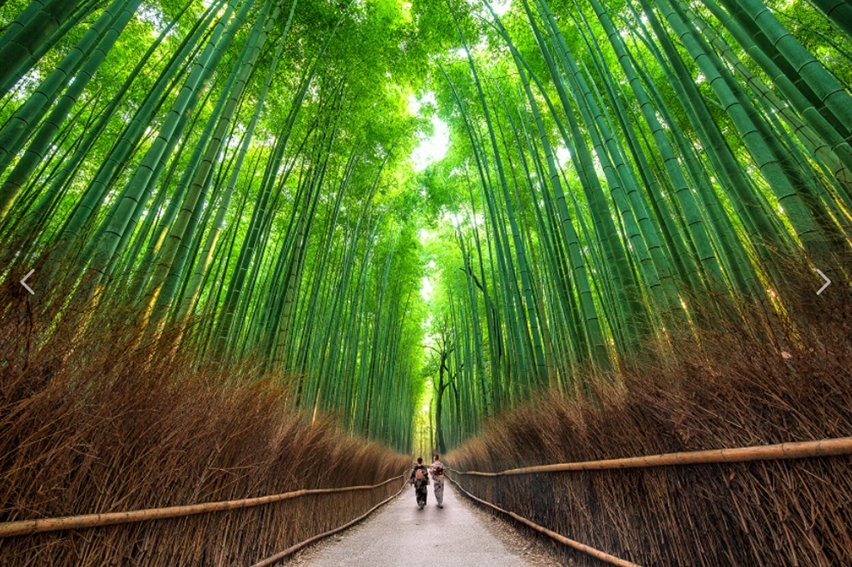
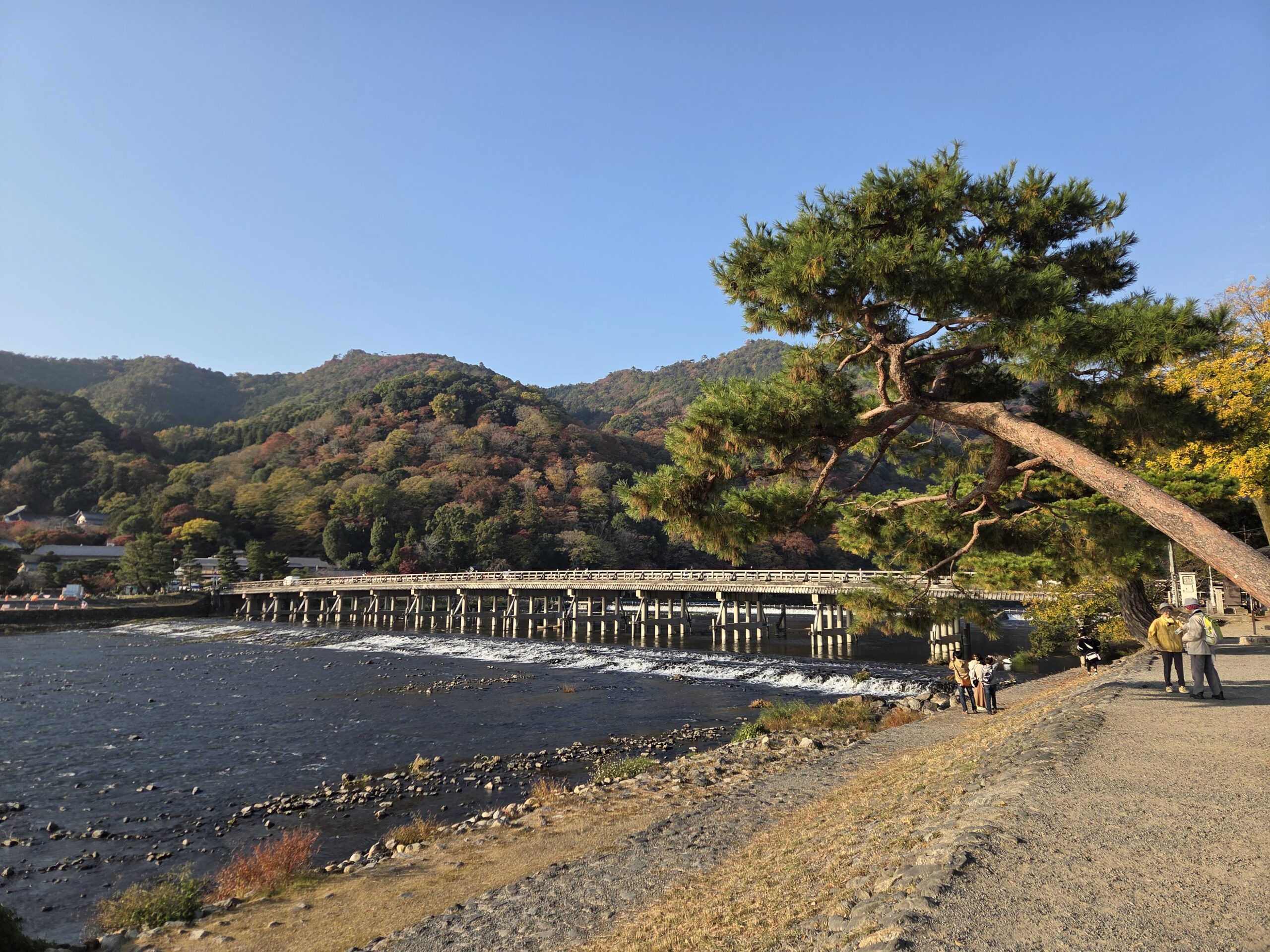
The bamboo groves of nearby Arashiyama offer a quieter, natural counterpoint on the western edge of the city. Its Tenryu-ji temple, founded in 1339 by the shogun Ashikaga Takauji and designed by the garden master Muso Soseki, is part of the same UNESCO listing and looks out over a reflecting pond framed by the wooded slopes of Mount Arashiyama. A private Kyoto journey with Kiyora Travel can move between all of these places at your own pace, from the well-known landmarks to the quiet neighborhoods most visitors pass by entirely, and no two Kyoto journeys we design ever look quite the same.