.png)
The first time I sat beside a wood fire with a group of ama divers, I expected something quiet and reverent. What I found instead was laughter, and no shortage of complaints about husbands.
That contrast is part of what makes the ama tradition so compelling to me. It is one of Japan’s oldest living traditions, and also one of the most human.
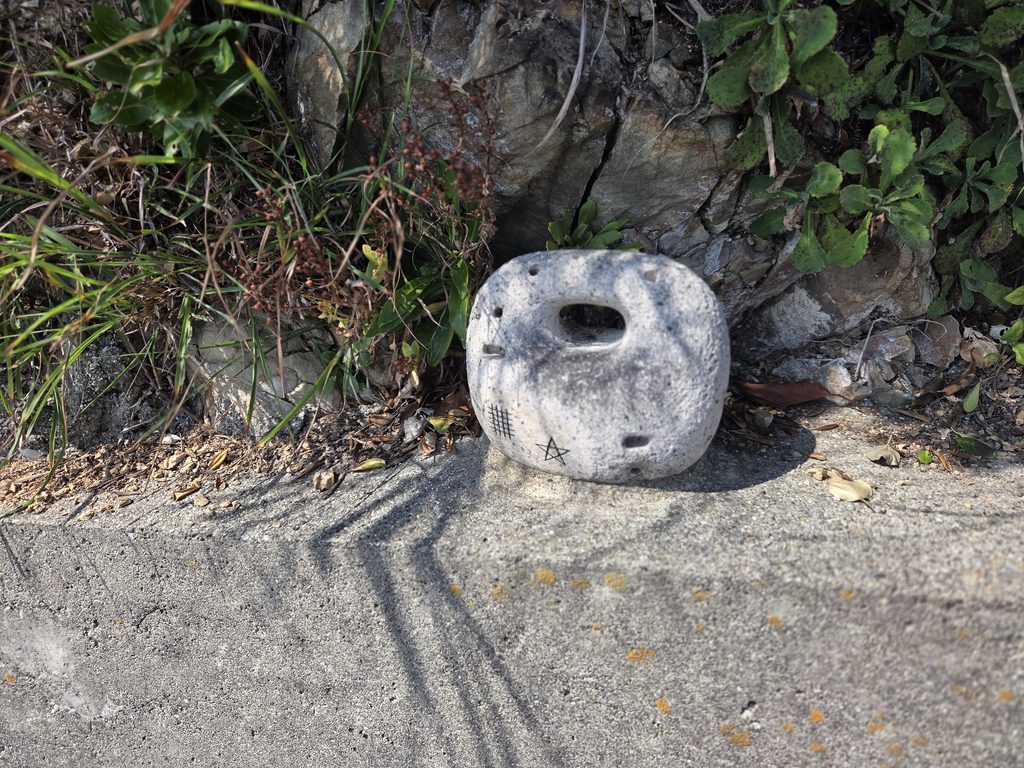
What Is an Ama Diver?
An ama is a female diver who free-dives, without an oxygen tank, to collect abalone, turban shells, seaweed, and other marine products by hand.
There are about 2,000 ama divers left in Japan today. Roughly half of them work in Mie Prefecture, mainly around Toba and Shima. On the Shima Peninsula, around 514 ama divers are still active.
That number is shrinking. It is about one-twelfth of what it was at its peak, roughly 75 years ago. Most ama today are in their 60s and 70s, and the tradition faces two real challenges: an aging community, and too few younger people choosing to continue it.
A Changing Sea
Part of the reason is the fishing environment itself, which has grown harder over the years.
In recent years, the amount of seaweed along this coast has been decreasing. I have heard ama divers talk about this themselves, with real concern in their voices.
Seaweed matters more than it might seem. It is food for abalone, and also their shelter. Without enough of it, abalone struggle to survive — and so does the ama’s livelihood.
Fewer ama today can support themselves through diving alone. In the past, some combined it with farming. Today, many combine it with running a guesthouse or ryokan, working at an ama hut experience, managing a shop, or holding a regular job alongside their diving.
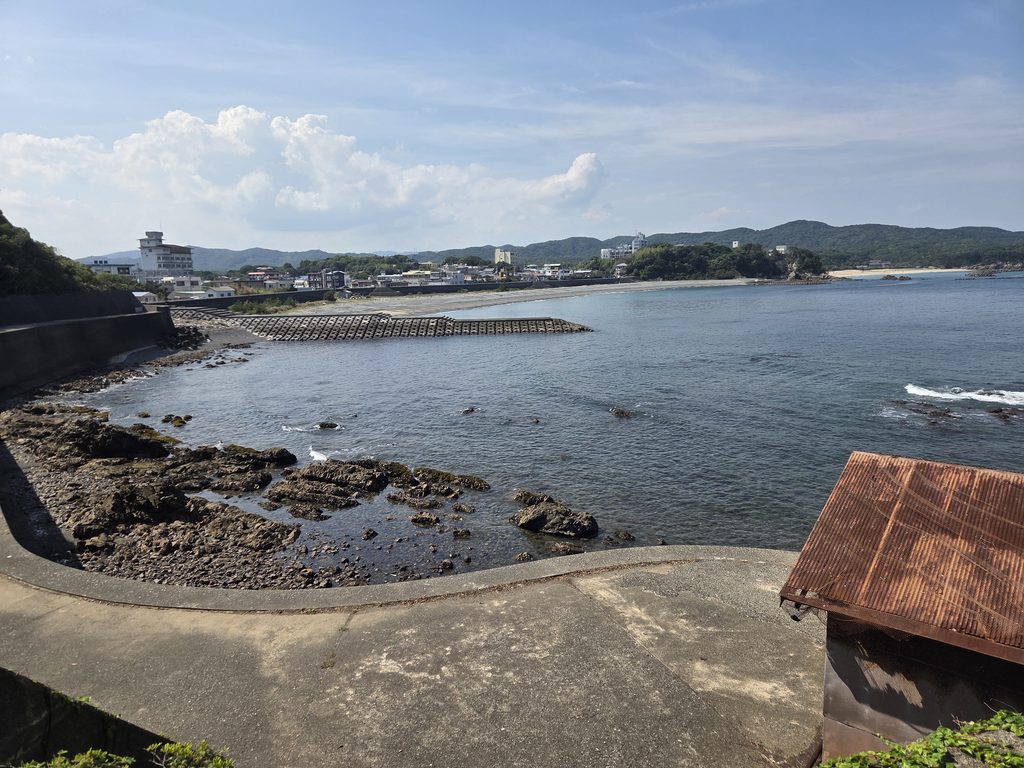
A Living Heritage, Now Officially Recognized
As the number of ama divers has fallen, recognition of what they represent has grown.
In 2014, the ama fishing techniques of Toba and Shima were designated an Intangible Folk Cultural Property of Mie Prefecture. In 2017, they became an Important Intangible Folk Cultural Property of Japan.
Osatsu, the town where I meet many of the divers I know, is home to 62 female ama — the largest number of any single community — along with three to five male divers, known as ama-shi. Across the wider Ise-Shima area, there are 279 ama and male divers in total.
A Day in the Life of an Ama Diver
Ama fishing is carefully regulated, down to the hour.
The morning session runs from 9:00 for about 90 minutes. In the afternoon, divers can go out again from 1:00 for another 90 minutes.
Each morning, an announcement decides whether the day’s diving happens at all. If the weather or sea conditions are not right, no one goes out.
The rules go further than timing. Strict limits on how and when the ama can fish exist specifically to prevent overfishing and protect the marine environment they depend on.
The season itself follows the calendar closely. It begins with wakame seaweed in March and continues for about ten months, moving through different marine products — abalone, turban shells, sea cucumbers — as the seasons change. January and February are the ama’s rest months. Right now, it is abalone season, running until September 15.
Old and New Ways of Diving
In the past, one style of diving was known as funado. A husband would take the boat out while his wife dived as the ama, the two connected by a rope. If something went wrong underwater, he could pull her back to the surface. This style is rarely practiced today.
Far more common now is noriai, in which seven or eight ama share a single boat out to the fishing grounds, then each dive independently once they arrive.
The wetsuit has changed too. Today’s ama wear about 3mm of neoprene in summer and around 5mm in winter — a modern layer over a very old practice.
Bringing the Seaweed Back
There is also real effort underway to restore what has been lost. One method is simple: placing rocks along the seafloor, which gives seaweed a surface to grow on again. It is slow, but it is starting to work.
For the ama, protecting the sea is not separate from protecting their own way of life. If the seaweed returns, abalone have a better environment to grow in — and ama fishing has a better chance of a future.
A Tradition Thousands of Years Old
The history of ama diving is thought to reach back roughly 3,000 years.
We know this partly through archaeology. Evidence suggests people were diving for shellfish and seaweed as far back as the Jomon period. Ama also appear in the Man’yoshu, Japan’s oldest surviving collection of poetry, and in the Wei Zhi, a third-century Chinese record that contains one of the earliest written descriptions of the people of ancient Japan.
These references are a reminder that ama fishing has never been only about the harvest. It is a relationship with the sea that has been passed down for generations, largely unchanged in spirit for thousands of years.
The Women Behind the Tradition
Whenever I sit down and talk with ama divers, I am struck by how cheerful they are. They clearly enjoy their work, and take real pride in earning their own income.
Every woman’s path into diving is different. I once assumed ama divers must all be strong swimmers. One diver corrected me — swimming and diving, she said, are not the same skill at all. She told me she was never a particularly good swimmer, but she could dive well. I still think about that.
Ama divers are not in the water constantly. Most dive for around 30 days each in the summer and winter seasons, depending heavily on the weather.
The Kamado — Where the Real Stories Are Told
After diving, the ama gather around a fire to warm themselves. This gathering place is called a kamado.
They collect their own firewood and build the fire themselves. A wood fire, they tell me, warms the body far better than any electric heater after a morning in the cold sea.
But the kamado is more than a place to warm up. It is where the real conversation happens — and there is a lot of it. A good portion of it, I am told, is complaining about husbands. Once one woman starts, everyone seems to have a story of her own.
The ama compete with each other on the water, but around the fire they are colleagues who share knowledge freely. They understand exactly what the others risk each time they dive, and that understanding creates a bond that is hard to find elsewhere.
Strength, Independence, and a Life with the Sea
Every time I visit, the ama welcome me with wide, genuine smiles. Simply spending time with them leaves me feeling lighter.
To me, ama divers are strong, independent women who have built their entire lives around the sea. Their work is physically demanding, and at times genuinely dangerous. And yet, whenever I am with them, what comes through most is their energy, their confidence, and how much they clearly enjoy their lives.
They live with the sea, and there is something in them that reminds me of the sun — a kind of quiet, constant strength.
Meet the Ama Divers of Osatsu with Kiyora Travel
Ise-Shima is often visited quickly, on the way to somewhere else. I understand the appeal of slowing down here instead.
When I bring guests to meet the ama divers of Osatsu, we do not rush it. We sit at the kamado, share a warm fire, and let the conversation go wherever the ama take it — often somewhere unexpected.
If you would like to meet these women for yourself, and hear their stories in person, I would be glad to arrange a private visit as part of your journey through Ise-Shima.