.png)
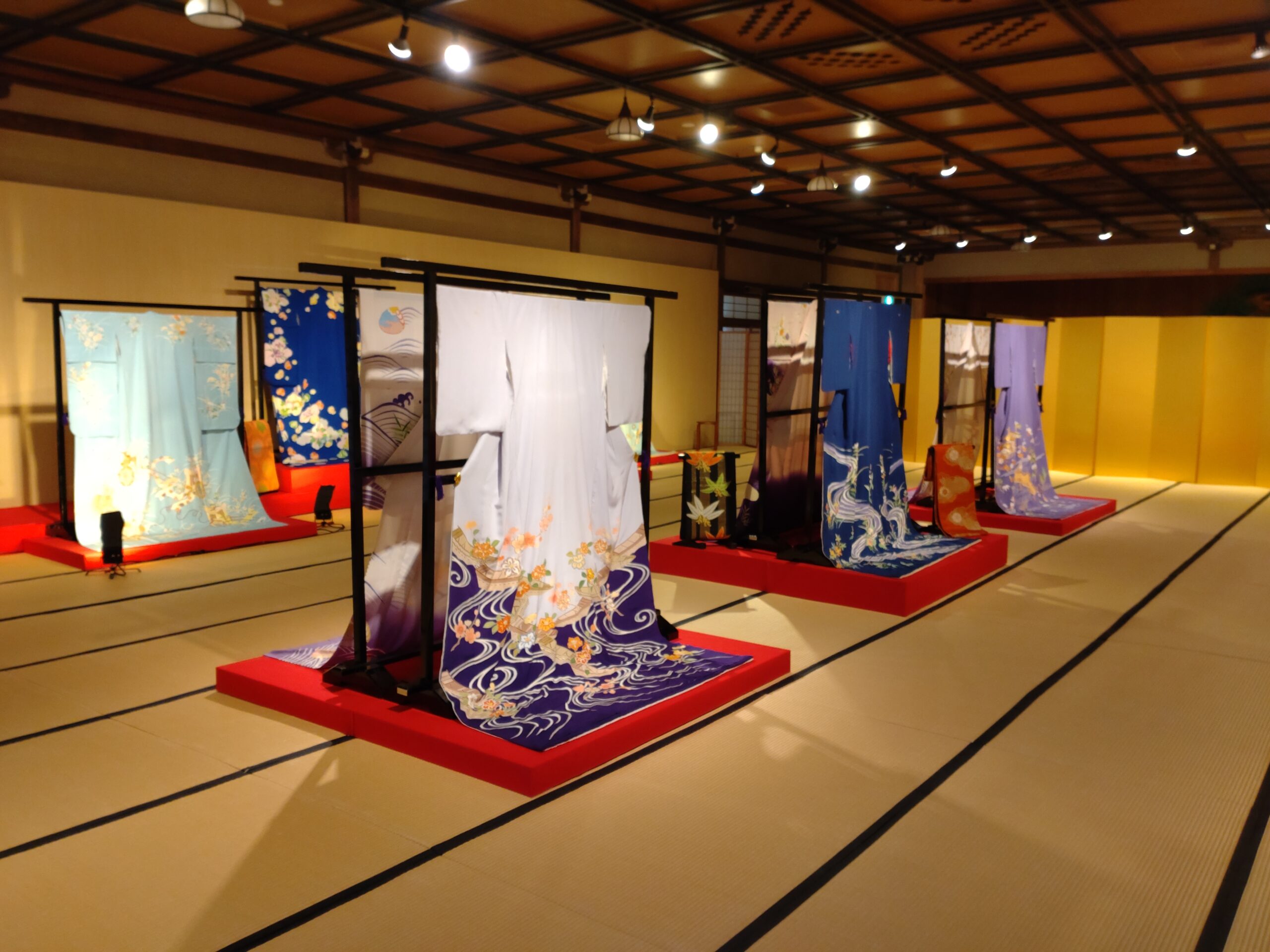
When people imagine Kyoto, they often picture elegant wooden townhouses, stone-paved streets, and a graceful figure in a beautifully patterned kimono disappearing around a quiet corner.
That image is Gion.
As Kyoto’s most famous historic district, Gion has preserved the atmosphere of old Japan for centuries. More than simply a sightseeing destination, it remains a neighborhood where traditional culture continues to flourish every day. Here, geiko (Kyoto’s term for geisha) and maiko still dedicate themselves to mastering traditional dance, music, tea ceremony, and the refined art of hospitality.
Whether it is your first visit to Kyoto or your fifth, Gion offers an experience that feels timeless.
Wander Along Hanamikoji Street
No visit to Gion is complete without strolling down Hanamikoji Street.
Traditional wooden machiya townhouses line both sides of the road, many of which are still home to exclusive teahouses and renowned Kyoto restaurants. During the day, the street is calm and elegant. As evening approaches, lanterns begin to glow, creating one of Kyoto’s most atmospheric walks.
If you are fortunate, you may catch a respectful glimpse of a maiko or geiko quietly making her way to an evening appointment. These encounters are brief, but they remain unforgettable memories for many visitors. Visitors are encouraged to admire them from a respectful distance and avoid following or photographing them without permission.
Discover the Quiet Beauty of Gion Shirakawa
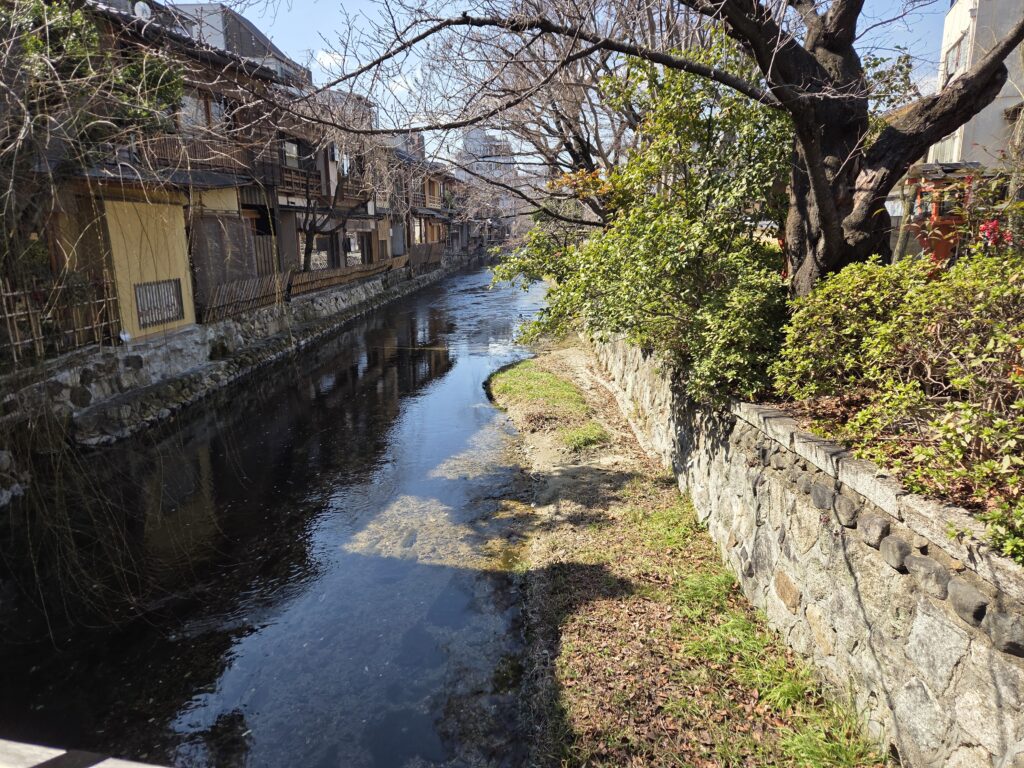
Only a few minutes away lies Gion Shirakawa, one of Kyoto’s most picturesque corners.
The narrow Shirakawa Canal flows gently beneath traditional stone bridges, while willow trees and preserved wooden buildings create an atmosphere unlike anywhere else in the city.
During spring, cherry blossoms reflect beautifully on the water. In autumn, colorful maple leaves transform the riverside into one of Kyoto’s hidden treasures.
Even on busy days, this peaceful area invites visitors to slow down and simply enjoy the moment.es.
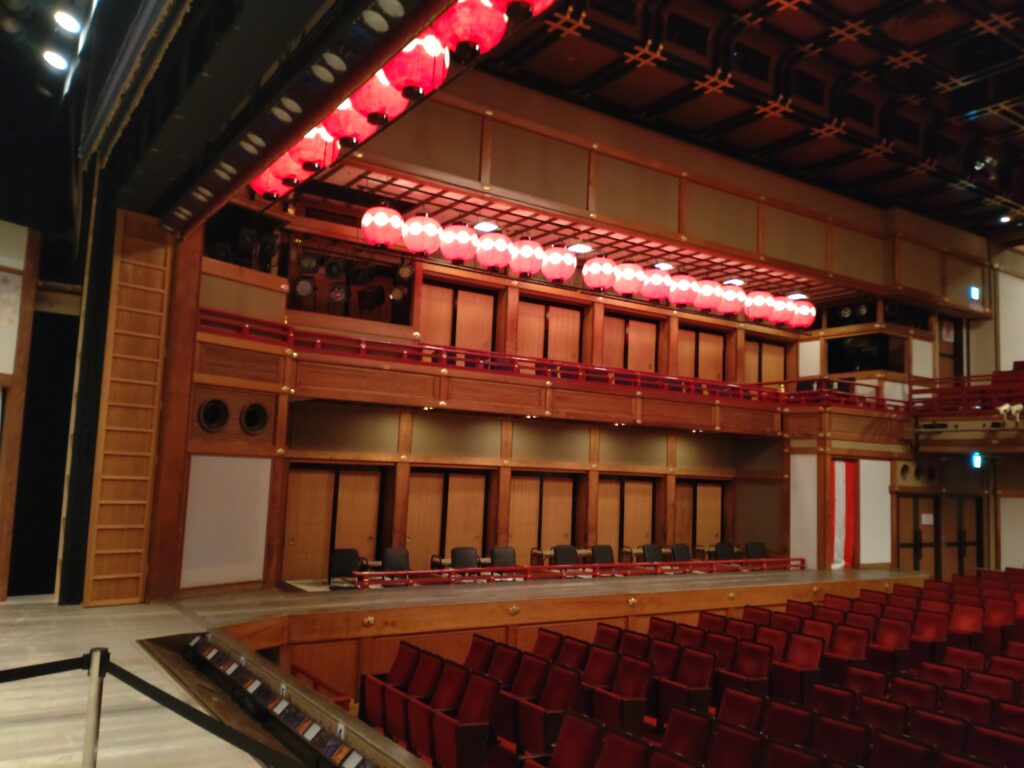
Experience a Living Cultural District
Unlike many historic neighborhoods around the world, Gion is not an open-air museum.
People still live and work here.
Behind the traditional facades are teahouses, family businesses, restaurants, shrines, and schools where Kyoto’s performing arts continue to be passed down through generations.
This living heritage is what makes Gion so special. Rather than recreating history, the district continues to write it every day.
Visit Yasaka Shrine
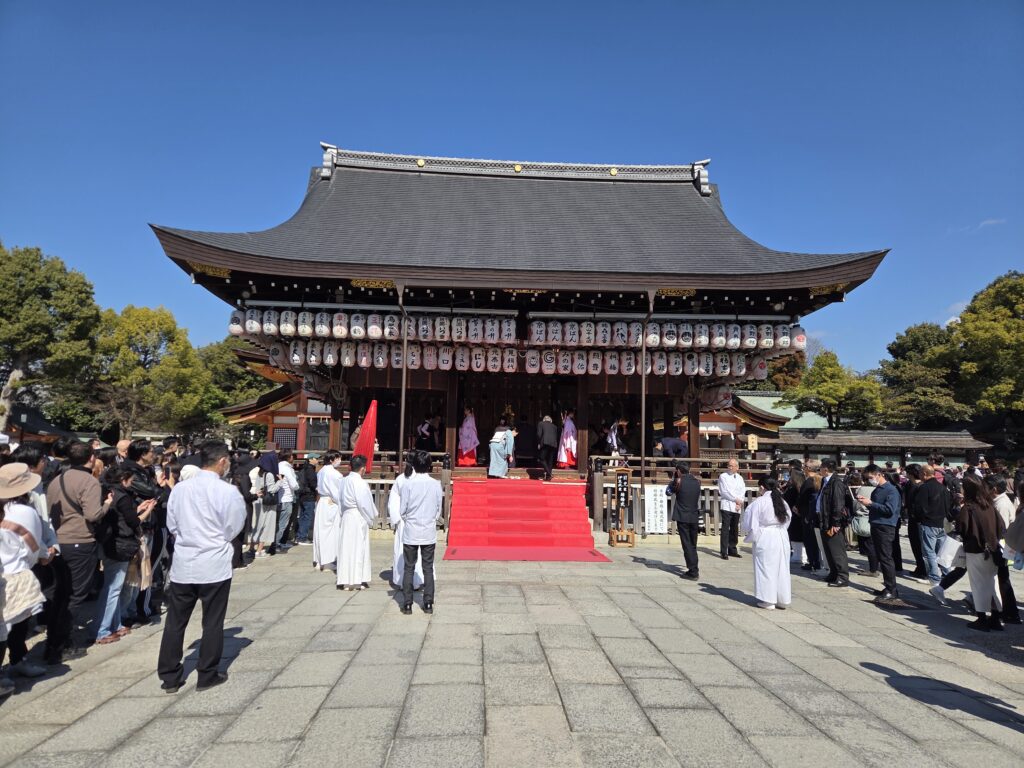
Standing at the eastern edge of Gion is Yasaka Shrine, one of Kyoto’s oldest and most beloved shrines.
Open day and night without closing gates, it welcomes both worshippers and visitors throughout the year.
The shrine is particularly famous as the spiritual home of the Gion Festival, one of Japan’s most celebrated festivals with a history spanning more than a thousand years. Yet even outside festival season, its peaceful grounds offer a welcome contrast to the lively streets nearby.
Beyond the Famous Streets
Many visitors spend less than an hour in Gion.
But the true charm of the district reveals itself when you leave the busiest streets behind.
Hidden lanes, quiet temples, traditional gardens, and small local shops reward those who take their time.
Rather than checking famous landmarks off a list, Gion invites you to experience Kyoto through its atmosphere, craftsmanship, and everyday beauty.
Travel Respectfully
Gion is a living community, not simply a tourist attraction.
Many of the narrow alleys belong to private residents and businesses. In recent years, some private lanes have been closed to visitors to protect local life from overtourism and inappropriate behavior.
Public streets remain open, and respectful visitors are warmly welcomed.
By walking quietly, respecting privacy, and appreciating local customs, visitors help preserve the unique character that makes Gion so extraordinary.
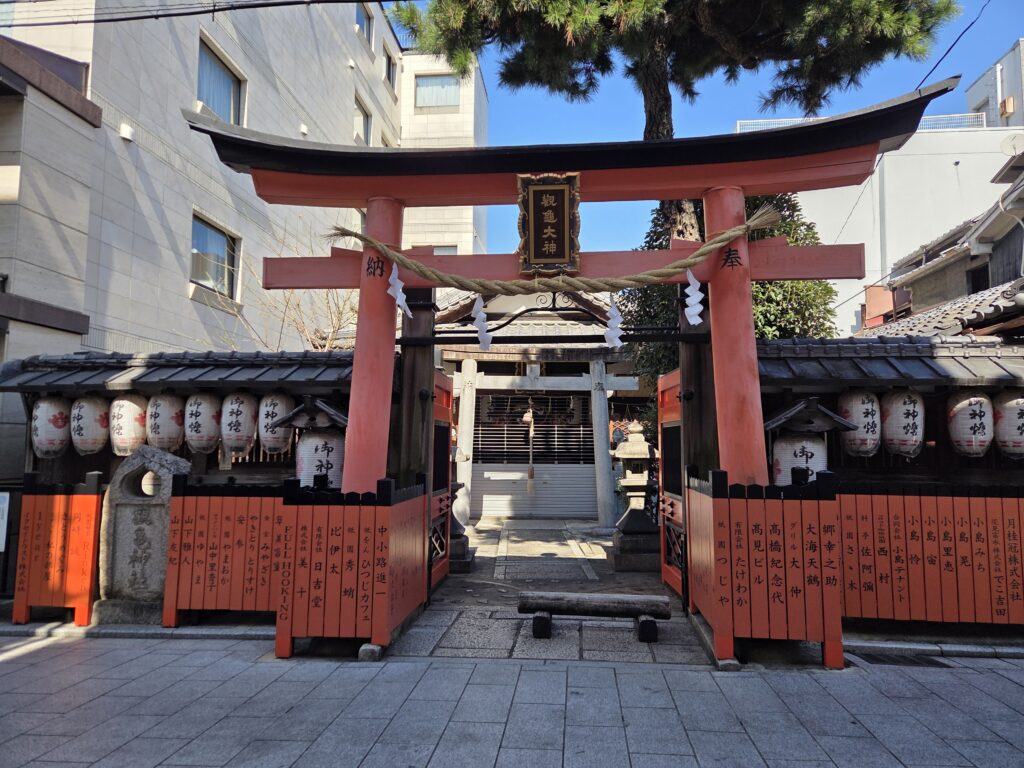
A Different Way to Experience Gion
Every traveler experiences Gion differently.
Some come to photograph its historic streets.
Others hope to learn about geiko and maiko culture, discover Kyoto’s hidden temples, or simply enjoy a peaceful evening walk away from the crowds.
At Kiyora Travel, each private journey is designed around your interests rather than a fixed itinerary.
Whether you are fascinated by Kyoto’s traditional arts, architecture, history, or simply wish to experience the city at a relaxed pace, Gion offers countless stories waiting to be discovered.
Sometimes the most memorable moments are not found in famous landmarks, but in the quiet sound of wooden sandals on a stone street, the soft glow of lanterns at dusk, and the timeless elegance that still lives within Kyoto’s historic heart.
Plan Your Private Journey
Would you like to experience Gion beyond the typical sightseeing route?
At Kiyora Travel, every private journey is carefully tailored to your interests, pace, and travel style.
If you would like to discover the history, traditions, and hidden corners of Kyoto’s most iconic district with a local guide, we’d be delighted to help you plan your visit.